
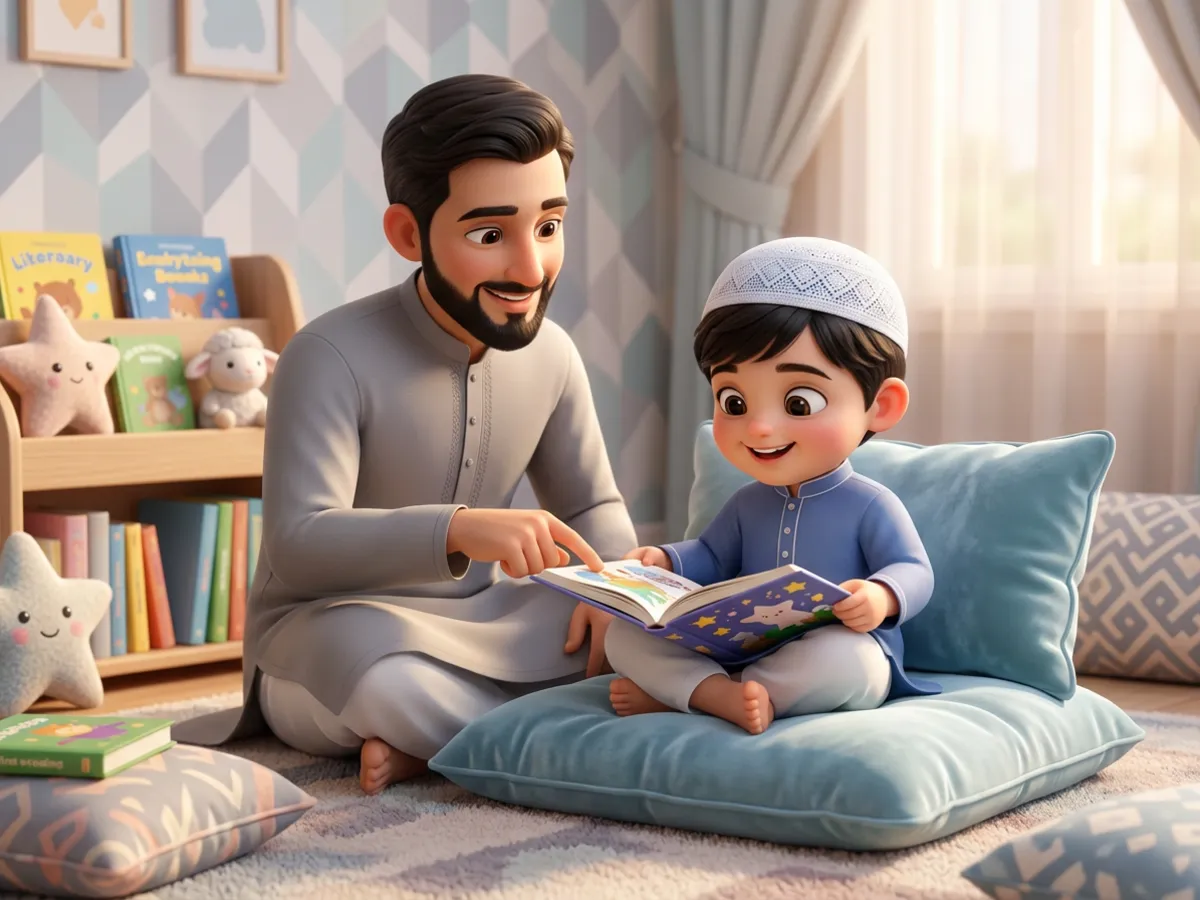

The Problem: Your child runs away when they see a book? They start crying when you say “read”?
Why It Happens: We think the child “does not want to read.” But really, they never fell in love with books. And love does not come by force. It grows slowly, through beautiful moments.
The Solution: A reading habit does not come by magic. It builds one story at a time. And the good news? It is easier than you think. Below are 9 methods that really work. I have tested them myself.
Why Does Your Child Not Read Books? (The Real Reason)
Problem: “I bought books, but they do not even touch them!”
Why it happens: Because we made the book a “chore” — “read, or else…” When a book feels like punishment or force, the child runs away from it. And the second reason: they never saw anyone reading with joy!
How to fix it: Make the book “fun,” not “work.” And read yourself — in front of the child. Below are step-by-step methods.
💡 Pro Tip: Never tell the child “go read a book” while you are on your mobile. The child catches this double standard at once!
9 Methods — How to Build the Habit?
1. Read Aloud Every Day — “This Is the Strongest Weapon”
Problem this solves: “I do not have time to read every day?”
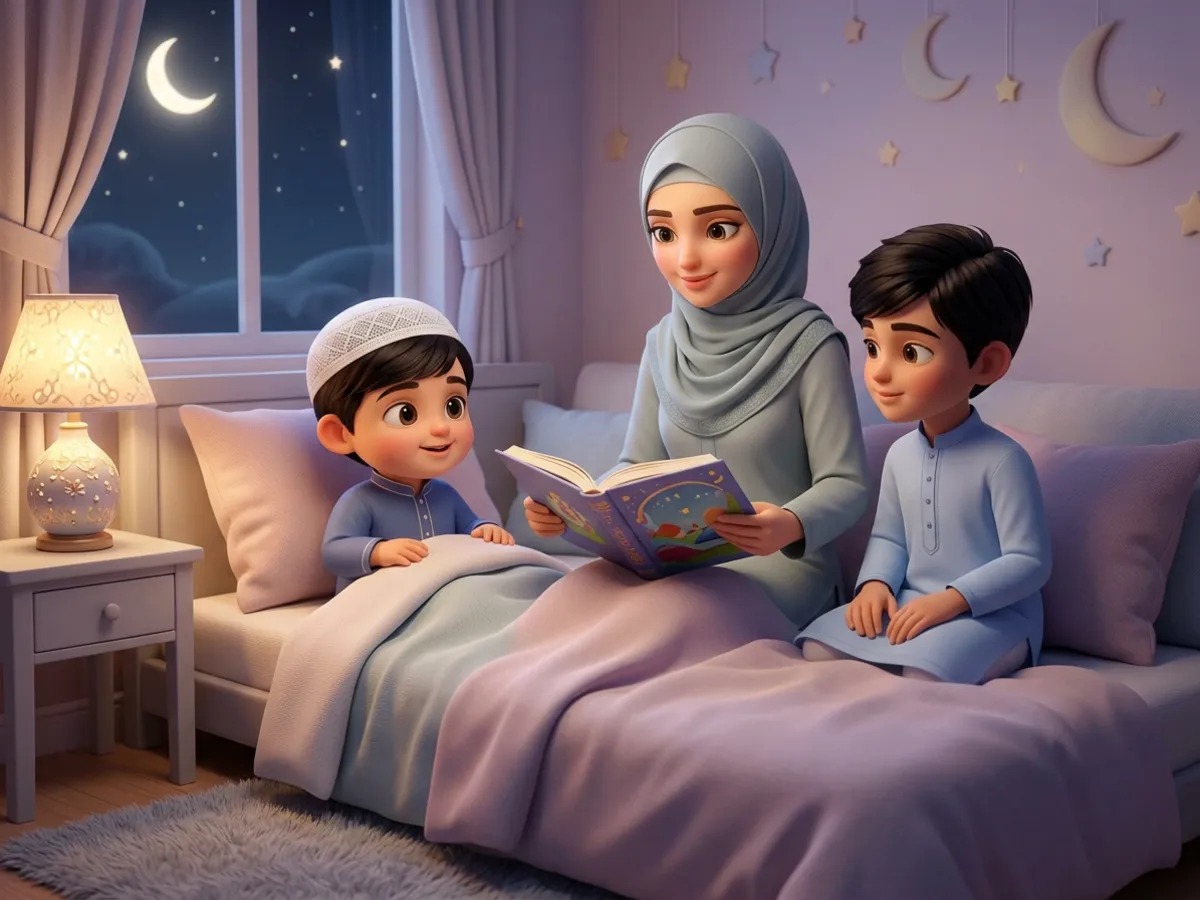
Just 15 minutes! Only 15 minutes of reading aloud each day teaches a child thousands of new words in a year. Fix a time — after Maghrib, before sleep, or after lunch — and keep it like an appointment. At my home, it is bedtime. The kids wait for it.
💡 Pro Tip: Feeling tired? Pick a short book. 5 minutes is better than zero. Being regular matters, not long hours.
2. Make a Cozy Corner — “This Is My Book Place!”
Problem this solves: Books stay locked in the cupboard, the child never sees them?
You do not need an expensive setup: one corner, cushions, a small mat, a basket of books, good light. That is it! When books have their own special place, the child will walk there on their own. Let the child help decorate it. We love our own things more.
💡 Pro Tip: Put the child’s photo in the corner: “This is [name]’s library!” Feeling of ownership builds the habit.
3. Let Them Choose (Even If It Is the Same Book 50 Times) — “Again? Okay!”
Problem this solves: The child asks for only one book? You feel bored?
A forced book kills the habit. Let them choose — comics, jokes, dinosaur books, whatever they like. And yes, reading the same story for the 50th time is good: repeating builds fluency and confidence. I know it feels boring. But for the child, it is new every time!
💡 Pro Tip: When the child picks up a book on their own (without being told), notice it: “You are reading yourself? Wow!” That moment is golden.
4. Show Them by Reading — “Actions, Not Words!”
Problem this solves: You say “reading is important,” but the child never sees you read?
Kids learn by watching. If they never saw you read, then “reading is important” sounds hollow. Read your own book, newspaper, or even a recipe in front of them. Tell them: “I read something interesting today!” Your joy will transfer to them.
💡 Pro Tip: Say “wow!” or “amazing!” while reading your book in front of the child. They will think there is really something fun in books!
5. Visit a Library or Bookshop — “Let Us Go Find Treasure!”
Problem this solves: Buying books feels costly? Where to get new books?
Make finding books an outing — like going to the park. In Pakistan, Urdu and English kids’ books are very cheap at book fairs. In Karachi, try Urdu Bazaar. In Lahore, try Anarkali. Kids’ books cost only 100-200 rupees there! One visit a month is enough.
💡 Pro Tip: Do not forget old book shops. You find treasures there at half the price!
6. Connect Books to Life — “Let Us Try It!”
Problem this solves: The child asks “what is the use of this?”
Read a zoo book, then visit the zoo. Read a baking book, then bake together. Read a kindness story, then do a good deed. When a book connects to a real experience, reading feels like life — not homework.
💡 Pro Tip: “Shall we try what we read today?” This one line will make the child fall in love with books.
7. Audiobooks Count Too — “Listening Is Also Reading!”
Problem this solves: The child gets restless on long trips? What to do in the car?
Audiobooks count too! Listening builds understanding and vocabulary — great for travel. Islamic stories and Quran tales in audio are best for kids. But keep a balance with real books so print skills grow too.
💡 Pro Tip: Set a “story time” in the car. Kids will start waiting for the trip!
8. Read Together — “What Happens Next?”
Problem this solves: The child listens but their mind is elsewhere?
Do not just read to them. Read with them. Ask: “What do you think happens next?” Point at a picture: “Can you find the cat?” Let them finish rhyming lines. Reading together builds understanding far more than just listening.
💡 Pro Tip: Never say “wrong!” to a wrong answer. Say: “Interesting idea! Think more…” Their confidence stays safe.
9. Celebrate Wins — “You Did It!”
Problem this solves: The child works hard but feels no one notices?
Finished the first chapter book? Heard 10 stories this month? Celebrate! A sticker chart, a special bookmark, or a trip to pick a new book. Make reading a win worth chasing.
💡 Pro Tip: Make a “Reader of the Month” certificate (even handmade works). The child will put it on the fridge with pride!
Never Make These 4 Mistakes!
- Do not make reading a punishment (“You were naughty? Go read a book!”). This poisons the habit.
- Do not force “serious” books: Comics and funny books build the same reading muscles as classics.
- Do not test after every story: A question now and then is fine. Grilling on every page kills the fun.
- Do not give up early: A habit takes 2-3 months. Keep faith.
Frequently Asked Questions
My child cannot sit still for stories — what to do?
Totally normal, especially for toddlers! Try short books, interactive ones (with flaps), and let them move. They can listen while building blocks or coloring. Reading time is not “sit still” time. Even 5 minutes of focus is enough. Focus grows with time.
Should I read in English or Urdu — or both?
Both! Reading in two languages is a gift. Read in the language you feel easy and excited in. Your energy matters more than the language. Many Pakistani homes read English storybooks and Urdu Islamic stories. Strength in both languages comes naturally.
Are e-books on tablets okay?
Better than not reading. But for small kids, real books are better — no pop-ups, gentle on eyes, and turning pages helps memory. If you use a tablet, pick a dedicated reading app (not a browser) and turn off notifications.
When will my child start reading on their own?
Most kids start at age 5-7, but it varies — and that is fine. Keep reading aloud even after they can read alone. Hearing stories above their level grows vocabulary faster than reading alone. Experts say keep reading aloud until age 10!